AI Personal Stylist vs Wardrobe App: Which Do You Need?
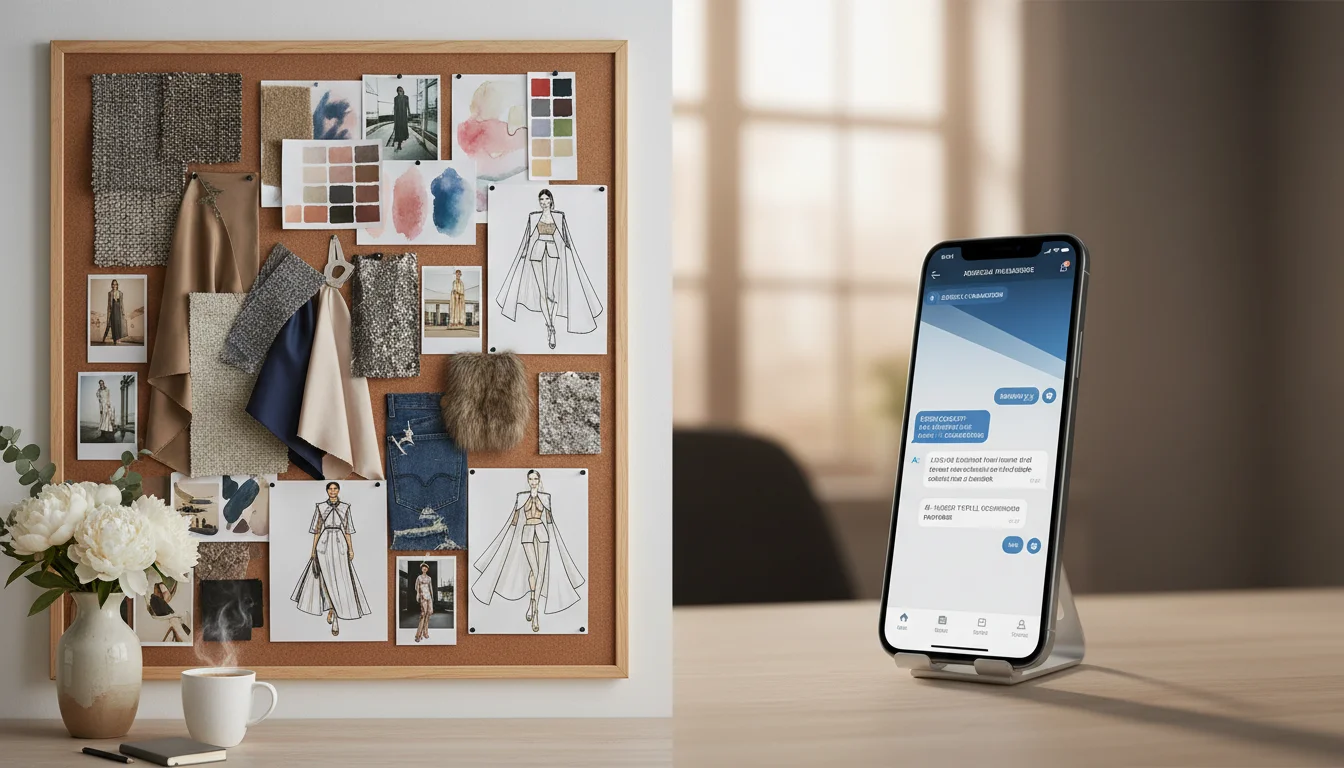
If you have searched for help with your daily outfit decisions, you have probably encountered two categories of fashion apps: AI personal stylists that tell you what to wear, and wardrobe organizer apps that help you catalog what you own. The distinction between an AI personal stylist vs wardrobe app matters more than you might think - they sound similar but solve fundamentally different problems, cost different amounts, and deliver different kinds of value.
Some people need a stylist. Some need a wardrobe app. Many need both but do not realize it. This guide breaks down exactly what each type of app does, where each falls short, who benefits from which, and how the best modern apps are merging both categories into a single tool.
What an AI Personal Stylist Does
An AI personal stylist acts as a fashion advisor. You describe an occasion - 'job interview at a tech startup,' 'outdoor wedding in August,' 'first date at a wine bar' - share your preferences, and the AI suggests outfits. The best AI stylists consider your color preferences, the weather forecast, current trends, and even the formality level implied by your calendar events. They are essentially replacing the role of a human personal stylist, but available 24/7 and at a fraction of the cost.
The key limitation of most AI stylists: they do not know what you actually own. They suggest generic outfits assembled from trending items or link to products you would need to buy. This creates a frustrating disconnect - you get great advice, but acting on it requires shopping. If you already have a full closet, the advice feels disconnected from your reality.
Examples of AI Personal Stylist Apps
- FitInView Style Twin - AI chat stylist with full wardrobe access and virtual try-on
- Stitch Fix - AI plus human stylists who ship curated boxes (subscription model)
- Amazon StyleSnap - Identifies fashion from photos and suggests Amazon products
- ChatGPT and similar LLMs - General purpose AI that gives text-based styling advice
What a Wardrobe App Does
A wardrobe app catalogs your existing clothes. You photograph or scan your items, organize them by category, and the app helps you track what you own, what you wear, and what is collecting dust. Advanced wardrobe apps add cost-per-wear tracking, seasonal rotation reminders, donation suggestions for unused items, wardrobe value calculations, and outfit logging so you can see what you have worn over the past month.
The limitation here: most wardrobe apps are passive organizers. They show you what you have but do not actively help you decide what to wear. Some generate random outfit combinations by pairing a top with a bottom and shoes, but this is not personalized styling. It is a random number generator with your clothes as inputs.
Examples of Wardrobe Apps
- FitInView - Full wardrobe management with AI scanner, outfit builder, and virtual try-on
- Whering - Sustainability-focused closet organizer with cost-per-wear tracking
- Acloset - Simple closet catalog with random outfit combinations
- Cladwell - Weather-based daily suggestions from manually entered wardrobes
The Core Difference: Advice vs Inventory
At their core, the difference is this: an AI stylist tells you what to wear. A wardrobe app tells you what you own. One is about decision-making; the other is about information management.
| Feature | AI Personal Stylist | Wardrobe App |
|---|---|---|
| Primary purpose | Suggest what to wear | Catalog what you own |
| Knows your wardrobe | Usually no | Yes |
| Context-aware (weather, occasion) | Yes | Rarely |
| Outfit suggestions | Personalized, specific | Random or category-based |
| Closet analytics | No | Yes (cost-per-wear, gaps, etc.) |
| Virtual try-on | Rarely | Rarely |
| Shopping integration | Yes (links to buy) | Minimal |
The Gap Between Them
Look at that table and notice how both columns have significant gaps. The AI stylist does not know your closet. The wardrobe app does not give smart suggestions. For years, you had to choose between an app that knows your clothes but cannot style them, and an app that styles brilliantly but does not know what you own.
The ideal tool would combine both: know every item in your closet AND actively suggest what to wear based on your real wardrobe, the occasion, and the weather. That combination barely existed before 2025. Now it does.
For example, imagine asking your app: 'I have a job interview at a startup tomorrow and it will be 12 degrees and rainy.' A pure wardrobe app shows you everything you own but cannot recommend what to wear. A pure AI stylist suggests a great outfit but from clothes you might not have. The ideal tool checks your actual closet, filters for weather-appropriate business-casual items, and assembles a complete look you can wear tomorrow.
How FitInView Bridges the Gap
FitInView is both a wardrobe organizer and an AI stylist. The wardrobe scanner digitizes your closet - point your phone at your hanging clothes and AI identifies, categorizes, and tags each garment automatically. Style Twin - the AI stylist - has direct access to your digitized wardrobe. When you ask 'What should I wear to dinner tonight?', it does not suggest generic outfits from a fashion database. It pulls specific items from your closet and builds an outfit from what you actually own.
It goes further. You can see yourself wearing the suggestion with virtual try-on - a realistic AI-generated image of you in the exact outfit, produced in seconds. No imagination required, no guessing whether the colors work on your skin tone or the proportions suit your body. And over time, Style Twin learns your preferences - which suggestions you accept, which you skip - and adapts its recommendations accordingly.
This combination means FitInView fills both columns in the table above. It knows your wardrobe (scanner, catalog, analytics) and it styles intelligently (Style Twin, daily suggestions, occasion-aware recommendations, virtual try-on). You do not need two separate apps.
When You Need an AI Stylist
An AI personal stylist is the right tool if your core problem is decision-making, not organization. Here are the signs you need a stylist:
- You have plenty of clothes but struggle to combine them into outfits that feel put-together
- You want outfit advice for specific occasions - interviews, dates, weddings, travel
- You are trying to develop or refine your personal style and want a sounding board
- Morning outfit decisions take too long and cause stress or decision fatigue
- You often default to the same three outfits even though your closet is full
- You want to experiment with new looks but do not know where to start
When You Need a Wardrobe App
A wardrobe app is the right tool if your core problem is information and visibility. Here are the signs you need a wardrobe organizer:
- You have lost track of what you own - items are forgotten in drawers and back shelves
- You frequently buy duplicates of items you already have
- You want to track cost-per-wear and understand your spending habits
- You are downsizing, decluttering, or building a capsule wardrobe
- You want to see your entire closet at a glance without opening every drawer
- You travel frequently and need to plan packing from your known inventory
When You Need Both
If you related to items on both lists, you need both. And if you are honest with yourself, most people with full closets have both problems: they do not know exactly what they own, and they struggle to style what they have. FitInView is one of the few apps that combines a complete wardrobe management system with a context-aware AI stylist and visual try-on - so you do not need to use two separate apps, pay two subscriptions, or maintain two databases of your clothing.
Cost Comparison: AI Stylist vs Human Stylist vs Wardrobe App
Understanding the price landscape helps frame the value of each option:
- Human personal stylist: $100 to $500 or more per session, typically 2-4 sessions to build a seasonal wardrobe plan
- Subscription styling boxes (Stitch Fix, Trunk Club): $20 to $50 styling fee per box plus the cost of items you keep
- Standalone wardrobe apps: Free to $8 per month for premium features, no styling intelligence
- AI stylist apps: Free to $36 per month depending on features and usage
- FitInView: Free plan with 25 starter credits, paid plans from $7.49 to $35.99 per month with both wardrobe management and AI styling included
The economics clearly favor AI-powered solutions for daily outfit decisions. A single session with a human stylist costs more than a year of most app subscriptions. That said, human stylists still add value for specialized needs like building a personal brand wardrobe, post-body-change wardrobing, or shopping for high-stakes events where expert guidance is worth the investment.
The Future: Every Wardrobe App Will Be an AI Stylist
The line between wardrobe apps and AI stylists is disappearing fast. As AI becomes more capable and accessible, every wardrobe app will eventually add intelligent styling suggestions, and every AI stylist will need wardrobe access to stay competitive. The apps that started combining these capabilities early - like FitInView - have a significant advantage because their AI has been learning from real user wardrobes and preferences since day one.
For users, this convergence is purely positive. You get better suggestions because the AI knows your real clothes. You get better wardrobe management because the AI can tell you what is missing, what is underused, and what combinations you have never tried. The two capabilities amplify each other.
Related Posts
- Meet Style Twin: Your AI Stylist That Knows Your Closet - How the AI chat stylist works
- Best AI Wardrobe Apps in 2026 - Full comparison of wardrobe management apps
- AI Personal Stylist App with Virtual Try-On - Combining styling with virtual try-on